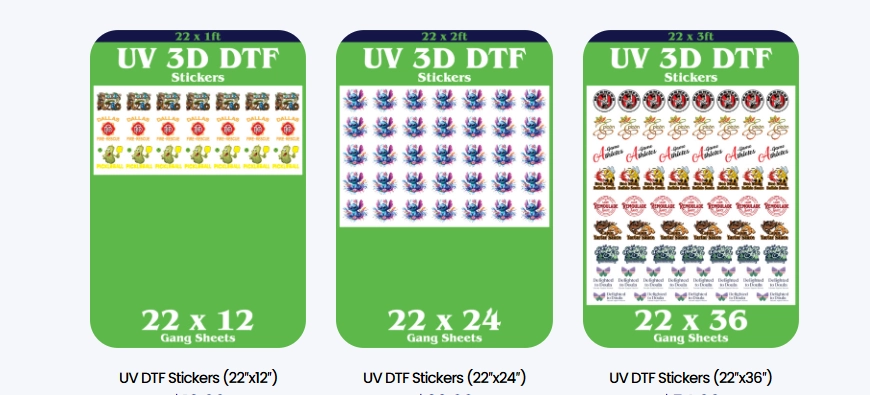
Direct-to-Film (DTF) transfers revolutionize custom apparel by offering vibrant, durable prints on cotton, polyester, blends, and even performance fabrics. Achieving perfect results hinges on dialing in the right heat press temperature, precise temperature and time settings, and consistent medium pressure. In this guide, you’ll learn industry-proven best practices for dtf transfers, from selecting the highest-quality transfer paper to mastering your heat press machine. We’ll cover how to balance heat press settings—including heat press temperature and pressure—to maintain the optimal temperature range for each fabric type. You’ll also discover troubleshooting tips for temperature inconsistencies, plus how to use heat transfer adhesives for vibrant wash-fast graphics. Whether you’re running dtf transfer wholesale operations or crafting small custom batches, our step-by-step instructions ensure your transfers deliver professional-quality finishes that withstand repeated laundering and wear. Let Southern Style Graphics guide you to flawless prints every time.
What Is a DTF Transfer?
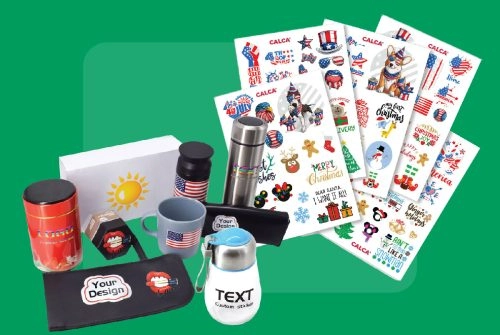
A DTF transfer uses specialized transfer paper coated with a heat-activated adhesive powder to deliver vibrant, wash-resistant graphics. First, you print your artwork onto the DTF film using DTF-compatible inks. Next, you cure the powder at the recommended dtf temp and time in your heat press, ensuring the adhesive melts evenly without scorching. Finally, you apply the film to your garment—whether cotton, polyester, blends, or nylon—using precise heat press settings and the correct heat press temperature. As the powder fuses, it locks the ink into the fibers, creating a flexible, soft-hand finish. Unlike rigid vinyl or multi-step screen-print, DTF transfers excel at small runs, custom UV DTF transfers, and intricate full-color designs, making them perfect for both bulk dtf transfer wholesale projects and one-off custom apparel.
How Do I Make a DTF Transfer?
Required Materials
To achieve flawless DTF transfers, assemble the following essentials:
- DTF Transfer sheets – high-opacity film that holds your print and adhesive powder, available in bulk for dtf transfer wholesale orders.
- Adhesive powder – specially formulated for strong fabric bonding; choose clear or pigment-toned options to suit light or dark garments.
- Heat press with precise temperature settings – a reliable heat press machine capable of maintaining a stable heat press temperature (usually 150–160 °C) and applying medium pressure across the temperature and time settings.
- Transfer paper – backing sheets to protect your garments and platen, ensuring even heat distribution and preventing ghosting.
- Digital inkjet printer with DTF inks – a print engine calibrated for DTF film, delivering vibrant, wash-fast colors.
- Cleaning supplies for the platen – lint-free cloths, isopropyl alcohol, and non-abrasive cleaners to remove adhesive residue and maintain consistent heat transfer performance.
- Having these quality materials on hand guarantees professional, long-lasting results with every print.
Step-by-Step Process
- Print your design in mirror image onto the DTF film using DTF inks.
- Dust the wet print with adhesive powder, ensuring even coverage.
- Cure the powder by passing the film through a low-temperature tunnel or using a second heat press at 140 °C for 30 seconds.
- Preheat your garment and heat press machine to the optimal temperature of 160 °C.
- Position the transfer face-down on the fabric.
- Press with medium pressure for 15 seconds.
- Peel the carrier film hot for a soft finish or cold for a slightly raised texture.
- Post-press the print for 5 seconds to further set the ink.
Understanding DTF Film Types
Selecting the right DTF transfers film is crucial for achieving professional outcomes. Films differ in adhesive strength, thickness, and surface finish—matte or gloss. Glossy films deliver sharper, high-impact colors that pop under bright lights, making them ideal for vibrant branding or photographic prints. Matte films absorb more ink, offering a velvety feel and subtle finish, perfect for vintage or subdued designs. Thicker films accommodate heavy, multilayer graphics but often require a slightly higher heat press temperature and longer dwell time within your temperature range. Always test small swatches with your heat press machine to pinpoint the optimal temperature and temperature and time settings for each film type and fabric combination. Continuous experimentation ensures your heat press settings yield flexible, durable prints every time.
Material Selection and Temperature Guidelines
Ideal Temperatures for Common Fabrics
- Cotton: 160 °C for 15 s with hot peel
- Polyester: 150 °C for 12 s with cold peel
- Blends: 155 °C for 14 s with medium pressure
- Nylon: 145 °C for 10 s, cold peel
Importance of Proper Material Pairing
Matching the right film, adhesive, and fabric ensures reliable adhesion. Always validate the temperature range compatibility between the film and the garment fiber to avoid scorching or poor bond.
How to Use a Heat Press for DTF Transfers
Heat Press Settings
Set your heat press machine to 160 °C and medium pressure (about 3 bar). Ensure the platen is clean and preheated. Use a teflon sheet for consistent heat distribution.
Pressure and Alignment Tips
Apply even medium pressure, avoiding hot spots. Use alignment guides or magnetic frames to center designs accurately. A calibrated digital press ensures the temperature and time settings remain stable throughout your run.
Transfer Time and Temperature Best Practices
Common Mistakes to Avoid
- Low temperature settings can result in inadequate adhesion, causing your DTF transfers to lift or crack after wash.
- Insufficient pressure—skimping on your medium pressure setting—leads to weak edges that peel prematurely.
- Overheating fabrics by cranking the heat press too high risks scorching, yellowing, or color shifts in both fabric and ink.
- Peeling too soon before the print reaches the recommended cool-down point ruins the finish, creating uneven textures.
Always verify your heat press machine reaches the exact heat press temperature and maintain consistent timing. Pre-testing on scraps helps you avoid these pitfalls and achieve flawless, long-lasting prints.
Temperature Troubleshooting Tips
Even seasoned printers encounter hiccups with dtf heat transfer. If your ink peels off during peeling, gently bump your heat press temperature by 5 °C or extend your temperature and time settings by 2 s—this ensures the adhesive powder fully melts and bonds. Conversely, if you notice scorch marks or fabric discoloration, dial back the heat by 5 °C and slip a protective sheet or Teflon cover between the print and platen. Always verify your heat press settings on a scrap swatch before a full run, and confirm your press reaches the optimal temperature for consistent, professional-grade DTF transfers.
Achieving Perfect Peel Results
Getting the peel timing right is the final step in flawless dtf transfers. A hot peel—removing the film immediately after pressing—yields a softer hand feel, with ink fully embedded and edges virtually invisible. In contrast, a cold peel—waiting until the transfer cools—produces a slightly raised texture that stands out on the garment. To discover your preferred finish, run quick tests on fabric scraps using your regular heat press temperature and medium pressure. Maintain a steady peel angle of 180°, pulling the film smoothly across the print to avoid lifting corners. With these simple adjustments, every transfer peels cleanly, showcasing crisp, enduring designs.
Benefits of DTF Transfers
- Versatility: Works on many fabrics
- Vivid Colors: High-definition prints
- Durability: Wash-resistant up to 50 cycles
- Efficiency: Faster setup than screen-print
- Cost-Effective: Ideal for small batches
Conclusion
Mastering dtf heat transfer involves fine-tuning the dtf transfer temperature, dtf temp and time, and heat press settings to achieve consistent, professional results. By following our guidelines and selecting quality materials from Southern Style Graphics, you’ll produce vibrant, durable designs that withstand washing and wear. Ready to scale your operation? Explore our DTF Transfers catalog for eye-popping color accuracy, take advantage of our dtf transfer wholesale pricing on bulk transfer paper, or innovate with custom UV DTF transfers for specialty applications. Elevate your custom apparel business today and experience the difference that precision and premium supplies can make.
Leave a Reply