The Pros and Cons of Direct-to-Film (DTF) Printing: A Complete Guide

Introduction
Direct to film printing has surged in popularity across the printing industry, offering graphic artists and apparel decorators a versatile film printing solution that bridges small-batch customization and high-quality production. By combining pigment-based dtf ink with specialized transfer film and adhesive powder, this printing method yields vibrant, durable designs on virtually any fabric—cotton, polyester, blends, and even nylon. Once printed, the dtf films are cured and then applied with a heat press or heat press machine, embedding the artwork into the garment with impressive washfastness. In this guide, we’ll explore what dtf printing is, how dtf printers work, and the advantages and drawbacks of this digital workflow—so you can decide whether to invest in a dtf printer, optimize your shop setup, or complement existing tools like dtg printer ink, printer printheads maintenance, and even 3D capabilities with Flashforge 3D printers. Whether you’re running a home-based printing business or scaling a retail shop, understanding the dtf printing process is key to delivering consistent, high-quality prints that keep clients coming back.
What is Direct-to-Film (DTF) Printing?
Also known as direct to film dtf, dtf printing is a cutting-edge printing method that transfers full-color artwork from a specialized dtf film onto garments and textiles. Instead of carving screens or hand-mixing inks, a DTF printer jets dtf ink precisely onto the film, creating crisp, high-resolution images—even photographic details. Immediately after printing, the wet design is coated with adhesive powder, which clings to the pigmented surface. The film is then heat-cured to lock the powder into a sticky layer, transforming it into a ready-to-apply dtf transfer. Finally, you position the transfer on your substrate—whether a cotton tee, polyester hoodie, or nylon bag—and apply a heat press at the recommended temperature and dwell time. The result? Vibrant, durable prints that boast excellent washfastness and stand out on dark and light fabrics alike. This streamlined dtf printing process eliminates pre-treatment steps and opens the door to versatile, on-demand production for custom apparel, promotional merchandise, and beyond.
How Does DTF Printing Work?
- A dedicated DTF printer lays down CMYK and white inks onto transfer film.
- The wet print is coated with adhesive powder and heat-cured in an oven or heat press.
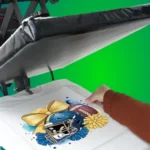
- The film is aligned on fabric and pressed with a heat press machine, bonding the film transfer to the garment.
The Pros of DTF Printing
Versatility on Multiple Fabrics
DTF printing technology works on cotton, polyester, blends, nylon, and more—unlike sublimation printing, which demands polyester.
High-Quality, Durable Prints
Pigment-based dtf ink produces high quality prints with excellent washfastness, resisting cracking and fading.
No Pre-Treatment Required
Skip the pre-treatment step needed by many direct to garment ink processes; simply heat-press the dtf transfer onto clean fabric.
Vibrant Color Reproduction
By layering white ink beneath CMYK, dtf films deliver opaque, eye-catching hues on dark garments.
Cost-Effective for Short Runs
Compared to screen printing’s setup fees, dtf printing shines on low-volume custom orders, minimizing film waste.
Simplified Workflow and Fast Turnaround
With no screens to mix or cure, you can output prints quickly—ideal for on-demand shops and rapid prototyping.
The Cons of DTF Printing
Initial Equipment Investment
A quality DTF printer and heat press machine combo can cost several thousand dollars, plus ongoing adhesive powder and film expenses.
Environmental and Health Considerations
Powdered adhesives and pigment inks require proper ventilation and printer printheads maintenance to manage airborne particulates.
Print Feel and Breathability
DTF transfers have a slightly raised texture, which may feel less breathable than embedded inks in the sublimation printing process.
Maintenance and Learning Curve
You must regularly clean print heads and calibrate your dtf printers work correctly, requiring time and skill.
Limited Stretchability on Some Garments
On highly stretchy fabrics, DTF transfers can crack if overstretched during wear.
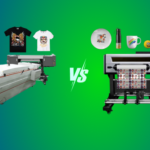
DTF vs Other Printing Methods

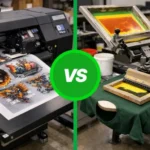
DTF vs DTG (Direct-to-Garment)
- DTF printing excels on mixed fabrics;
- DTG requires pre-treatment and works best on cotton with water-based direct to garment ink.
DTF vs Screen Printing
- Screen printing offers lower cost per unit in high volumes;
- Direct to film printing wins on small runs and complex color gradients.
DTF vs Sublimation Printing
- Sublimation printing demands polyester and uses sublimation ink embedded into fibers;
- DTF handles broader fabric types but leaves a transfer layer visible.
Is DTF Printing Right for You?
Use Cases and Ideal Scenarios
Direct-to-film printing shines when you need on-demand customization without the screen setup of traditional methods. Opt for dtf printing if you run a boutique offering custom t-shirts, branded promotional tote bags, or limited-edition apparel drops. Its ability to print intricate gradients and photographic details makes it perfect for artists testing new designs or micro-runs of event merchandise. Because dtf films adhere to any fabric—cotton, polyester, blends, and even nylon—you can expand your product line into hoodies, sports jerseys, and more without investing in multiple print setups.
Business Considerations and ROI
Before investing in dtf printers, calculate total cost of ownership: include the initial equipment outlay, ongoing dtf ink and adhesive powder expenses, and the labor hours for heat-press application. Factor in maintenance tasks like cleaning print heads and replacing components per your printers service manual. While the startup cost of a DTF printer plus heat press machine can be significant, high-margin, bespoke projects often justify the investment—especially when you leverage film printing for bulk orders and small-batch runs alike. For businesses transitioning from screen printing or DTG, direct-to-film printing offers a compelling balance of versatility, speed, and high quality prints that drive strong returns on custom apparel and promotional item sales.
Conclusion
DTF printing has revolutionized the custom apparel space by combining the best of digital convenience with the durability of traditional transfers. Its ability to deliver high quality prints on a wide range of fabrics—from cotton tees to polyester blends—makes it an invaluable printing method for modern shops. While it demands an upfront investment in dtf printers, dtf ink, and a reliable heat press, the streamlined workflow, no-prep requirements, and vibrant color reproduction often outweigh the costs. By mastering the dtf printing process, you can expand your offerings, reduce setup times, and meet customer demand for small-batch and complex designs.
Next Steps for Businesses or Hobbyists
Ready to integrate direct-to-film printing into your toolkit? Start by evaluating your production goals:
- Research dtf printers that suit your volume and budget.
- Source quality transfer film and adhesive powder from trusted suppliers.
- Set up a dedicated workspace with a calibrated heat press machine and proper ventilation for safe operation.
- Practice with test prints to dial in temperature, pressure, and dwell times.
- Incorporate dtg printer ink or sublimation printing machine offerings to diversify your product line.
By taking these strategic steps, you’ll position your business—or personal venture—to deliver standout custom pieces with efficiency, consistency, and profit in mind.
FAQs
What are the main benefits of Direct-to-Film (DTF) printing?
DTF delivers high quality prints on diverse fabrics, requires no pre-treatment, and offers fast turnaround for small orders.
How do I print DTF transfers correctly?
Use a calibrated DTF printer, apply adhesive powder, cure in an oven or heat press, then press onto clean garments at recommended temperature and pressure.
What is Direct-to-Film (DTF) printing and how does it differ from other printing methods?
Direct to film printing uses pigment inks on transfer film with adhesive powder, excelling on mixed fabrics, versus DTG’s on-garment ink and sublimation’s polyester-only dyes.