How to Use DTF Transfer Film

DTF transfer film is a revolutionary material at the heart of direct-to-film printing, a cutting-edge printing technique that brings your designs to life with vibrant colors and exceptional durability. Unlike traditional methods, DTF transfer film works seamlessly on a wide range of fabrics, including cotton, polyester, and blends, making it a versatile choice for creating custom apparel and promotional items. The process is simple yet highly effective: your design is printed onto the film, coated with DTF powder, and then transferred onto fabric using a heat press. Known for its versatility, high print quality, and ease of use, DTF transfer film is a game-changer for businesses, hobbyists, and creatives alike. Whether you’re crafting personalized t-shirts, team uniforms, or unique merchandise, DTF transfer film delivers professional-quality results every time, ensuring your designs stand out and last.What is DTF Transfer Film?
What makes DTF transfer film truly stand out is its ability to produce intricate, full-color designs with a soft, comfortable finish that feels great on fabric. Unlike other methods, direct-to-film printing doesn’t require pre-treatment or weeding, saving you time and effort. Plus, with tools like the DTF gang sheet builder, you can optimize your workflow by combining multiple designs onto a single sheet, making it perfect for both small projects and large orders. Whether you’re creating custom t-shirts for a local event or producing branded merchandise for your business, DTF transfer film offers a reliable, high-quality solution that meets your needs.
Table of Contents
ToggleWhat is DTF Film Made Up of?
DTF transfer film is made up of a thin, flexible base layer coated with a specialized adhesive that bonds securely to fabric when heat is applied. This innovative material is specifically designed to work seamlessly with DTF printers, ensuring smooth ink absorption and vibrant color reproduction for every design. The adhesive layer is activated by DTF powder, which is evenly sprinkled onto the printed design before curing. This unique combination of materials ensures that DTF prints are not only vibrant and detailed but also highly durable, wash-resistant, and long-lasting. Whether you’re creating custom t-shirts, hoodies, tote bags, or other promotional items, DTF transfer film delivers professional-quality results that stand up to everyday wear and tear. It’s the perfect solution for businesses, hobbyists, and anyone looking to produce high-quality custom apparel with ease and confidence.
Additionally, DTF transfer film is incredibly versatile, making it ideal for a wide range of applications, from small personal projects to large-scale commercial orders. Its ability to work on various fabrics, including cotton, polyester, and blends, ensures that your designs look stunning no matter the material. With tools like the DTF gang sheet builder, you can further streamline your workflow, combining multiple designs onto a single sheet for maximum efficiency. Whether you’re a seasoned professional or just starting out, DTF transfer film empowers you to create bold, vibrant designs that leave a lasting impression.
Essential Materials for DTF Printing
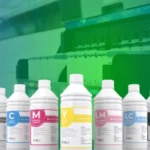
Successful DTF printing requires specific materials to achieve professional results. Essential equipment includes a compatible inkjet printer loaded with specialized DTF inks designed for optimal ink density and color vibrancy. You’ll need high-quality DTF film as the printing surface, along with DTF adhesive powder that activates during the heat transfer process. A heat press is crucial for the transfer application, while a heat gun helps cure the adhesive powder. Additional materials include RIP software for print management, a shaker box for even powder distribution, and quality fabrics suitable for the transfer process.
Types of DTF Transfer Films
Types of DTF transfer film include conventional DTF films that are suitable for most projects and have the highest ink absorption and the matting process is clean and efficient. DTF transfer film high-quality versions have a long life during high-volume printing. Matte finish and glossy DTF films are available. Cold peel films allow immediate removal after pressing, whereas hot peel films need to cool before removal. Each type offers unique benefits, making it important to choose the right film for your specific DTF printing requirements.
Benefits of Using DTF Transfer Film
Using DTF transfer film offers numerous advantages that make it a top choice for creating custom apparel and promotional items:
- Versatility: Works on a wide range of fabrics, including cotton, polyester, and blends, making it perfect for everything from custom t-shirts to tote bags and more.
- Vibrant Colors: Delivers sharp, high-resolution designs with exceptional color clarity, ensuring your artwork stands out with professional-quality brilliance.
- Durability: Ensures designs are wash-resistant and long-lasting, so your creations maintain their vibrant look even after repeated use.
- Ease of Use: The process—from printing to transfer—is straightforward and user-friendly, making it accessible for beginners and professionals alike.
- Cost-Effective: Ideal for both small batches and large orders, offering excellent value for money without compromising on quality.
Whether you’re crafting custom apparel for your business, creating personalized gifts, or producing promotional merchandise, DTF transfer film provides a reliable, high-quality solution that meets a variety of needs. It’s the ultimate tool for bringing your creative visions to life with ease and confidence.
How to Use DTF Transfer Film Sheets?
Using DTF transfer film sheets starts with proper preparation and handling. Start by choosing the right film size for your project, loading it into your inkjet printer and printing out your design. Ensure a proper mix on your DTF inks and adjust your printer settings accordingly to those of the film specs for the best ink density. After printing, apply the adhesive powder while the ink is wet and then shake off any extra powder. Using a heat gun, cure the powder and store the prepped sheets flat at room temp in a dry place until ready for your design and actual heat pressing on your heat press.
Steps for Using DTF Transfer Film
Select the Right Film
Choosing the right DTF transfer film is the first and most crucial step in achieving professional-quality results. Look for films that are compatible with your DTF printer and specifically designed for the type of fabric you’ll be using. High-quality films ensure better ink absorption and adhesion, resulting in vibrant, durable designs that stand out. Whether you’re working on custom t-shirts, hoodies, or tote bags, selecting the right film sets the foundation for success.
Prepare Your Design
Create or finalize your design using graphic design software like Adobe Illustrator or CorelDRAW. Ensure your artwork is high-resolution (300 DPI or higher) for crisp, clear prints. This step is essential for achieving professional-quality DTF prints that capture every detail and color with precision. A well-prepared design ensures your final product looks polished and professional.
Cut the DTF Film
Cut the DTF transfer film to the size of your design, leaving a small border around the edges. This ensures the film fits properly in your printer and prevents any issues during the printing process. Proper cutting also helps maximize the use of the film, reducing waste and saving costs.
Load the DTF Film into the Printer
Load the cut film into your DTF printer, ensuring it’s properly aligned. Adjust the printer settings to optimize ink absorption and color vibrancy for direct-to-film printing. Proper alignment and settings are key to achieving sharp, vibrant prints that look professional and eye-catching.
Start Printing the Design
Print your design onto the film using your DTF printer. Ensure the colors are vibrant and the details are sharp. High-quality prints are essential for creating professional results that stand out. Take your time to check the print for any imperfections before moving to the next step.
Apply DTF Powder to the Printed Design
Once the design is printed, evenly sprinkle DTF powder over the wet ink. Shake off any excess powder to avoid clumping, then cure the powder using a heat source. This step ensures the design adheres firmly to the fabric, creating a durable and long-lasting bond.
Cure the Hot Melt Powder
Cure the DTF powder by heating it to the recommended temperature. This activates the adhesive, ensuring a strong bond between the design and the fabric. Proper curing is essential for durability, ensuring your designs withstand washing and everyday wear.
Prepare the Fabric for Transfer
Preheat your heat press to the recommended temperature (usually around 320°F). Place the fabric on the press, ensuring it’s smooth and free of wrinkles. Proper preparation ensures a clean, professional transfer without any imperfections.
Transfer the Design
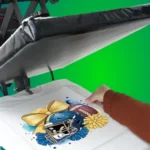
Position the DTF transfer film on the fabric with the design facing down. Close the heat press and apply firm pressure for 10-15 seconds. The heat activates the adhesive, bonding the design to the fabric seamlessly. This step is where your design comes to life, transforming into wearable art.
Remove the Transfer Film
Carefully peel off the DTF transfer film while it’s still warm. Be gentle to avoid damaging the design. This step reveals your vibrant, high-quality print, ready to impress.
Check the Finished Artwork
Inspect the finished design for any imperfections. If necessary, post-press the fabric for another 10-15 seconds to ensure the design is fully set and durable. A final check ensures your DTF prints meet the highest standards of quality and professionalism.
Tips & Precaution for Best Results
Achieving great DTF printing results requires attention to detail and proper safety measures. You must use the DTF ink intended for your inkjet printer to get the perfect ink density and color calibration. Set the temperature and pressure on your heat press for a repeatable application. Please work in a ventilated place when using DTF glue powder and heat guns. Store DTF film in a cool, dry place, out of direct sunlight. All products should be test printed before production.
How Long Does DTF Film Last Before it Starts to Degrade?
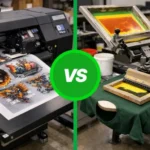
The shelf life of DTF film varies with storage practices and how the film is handled. Unused DTF film may be stored for 12-18 months when stored in a cool, dry place away from heat and moisture. After printed by DTF inks and sprinkled with adhesive powder, the transfer should be used best within 6-12 months. Longevity will also be impacted by changes in room temperature, changes in humidity and exposure to light. Printed transfers are more durable than regular transfer paper or screen printing. In addition, storing blank DTF film and transfers in sealed containers can help extend the life of the film.
Conclusion
Using DTF transfer film is a straightforward and highly effective way to create vibrant, durable designs for custom apparel and promotional items. From selecting the right film to transferring the design onto fabric, each step in the process plays a crucial role in achieving professional-quality results. Whether you’re a business owner looking to produce branded merchandise, a hobbyist crafting personalized gifts, or someone exploring direct-to-film printing for the first time, DTF transfer film offers a versatile and high-quality solution that meets a variety of needs. Ready to get started? Explore our DTF gang sheet builder to unlock even more creative possibilities, allowing you to combine multiple designs onto a single sheet for maximum efficiency and creativity. With the right tools, techniques, and a bit of imagination, you can master the art of DTF printing and create stunning, personalized designs with ease. Start your DTF transfer journey today and bring your creative visions to life!
FAQ
What is the Washing Durability of the DTF Film?
DTF film offers excellent washing durability when properly applied through the heat transfer process. High-quality DTF prints can withstand over 50 wash cycles without significant fading or cracking, outperforming traditional transfer paper methods and rivaling screen printing durability.
What is the Heat Resistance of the DTF Film?
DTF film demonstrates superior heat resistance compared to standard transfer paper. The heat transfer process typically requires temperatures around 320°F, and properly cured DTF adhesive powder creates bonds that withstand normal washing and drying temperatures without degradation or peeling.
Which Finish Type of the DTF Pet Film is More Preferable?
When it comes to professional applications, matte finish DTF film is typically desired due to better ink density absorption and to yield a softer hand feel. However, glossy finishes are great for colorful designs and when the focus is on the colors being used.