Can You Use Sublimation Ink for DTF Transfers?

When people ask can you use sublimation ink for dtf, they’re usually hunting for a shortcut. Maybe you’ve already got a sublimation setup gathering dust, and you’re wondering if tweaking a few things could transform it into a DTF powerhouse without dropping cash on a whole new system.
Introduction
Here’s the deal: sublimation and DTF operate on completely different chemical principles, and trying to force them together is like mixing oil and water. Sure, you can experiment with using sublimation ink on dtf film—plenty of crafters have attempted this dtf sublimation hack—but you’re going to face some serious compromises in durability, fabric compatibility, and potentially even damage your printer.
Throughout this guide, we’ll break down exactly how sublimation printing differs from DTF, what actually happens when you run sublimation ink on dtf film, and when you should just bite the bullet and use traditional DTF Transfer products instead of trying to MacGyver your way through.
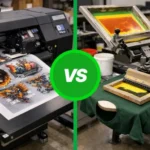
Understanding Sublimation vs DTF: Key Differences
Both techniques involve heat, film, and a press, but that’s where the similarities end.
With sublimation printing, the sublimation ink on sublimation paper undergoes a phase change when heated—it literally becomes a gas that penetrates deep into the fabric’s fibers. According to research from the Textile Research Journal, this molecular bonding creates permanent, wash-resistant designs, but only works reliably on light-colored polyester and specially coated surfaces.
DTF printing takes a completely different approach. The dtf ink sits on top of a dtf film sheet, gets coated with adhesive powder, and then the entire layer transfers onto your garment. Think of it like a sophisticated sticker that becomes part of the fabric. The International Textile and Apparel Association notes that this method allows printing on cotton, blends, and dark fabrics—basically everything sublimation can’t handle.
The fundamental difference? Sublimation becomes one with the fabric, while direct to film printing creates a durable surface layer held by dtf powder and adhesive.
What is DTF Sublimation?
When people talk about dtf sublimation, they’re describing a hybrid workaround where you keep your existing sublimation printer but attempt to run it with dtf film and dtf powder instead of proper sublimation materials.
The typical setup involves printing your design onto a dtf film sheet, dusting it with special adhesive powder, curing it in an oven or heat press, then transferring the printed design to the garment. It looks superficially similar to traditional dtf transfers, but underneath you’ve got specialized inks operating way outside their design parameters.
It’s essentially trying to speak French with a Spanish dictionary—you might get your point across, but it won’t be pretty.
What are the Benefits of DTF Sublimation?
Let’s be fair—there’s a reason people attempt this hack.
If you’ve already invested in existing sublimation equipment and a sublimation printer, the dtf sublimation hack seems incredibly cost effective. You’re avoiding a $2,000+ dtf printer purchase while still getting something resembling a dtf heat transfer that works on cotton and dark shirts.
Many creators appreciate that this approach can produce reasonably vibrant dtf prints on lighter fabrics, white t-shirts, and certain cotton garments without completely rebuilding your printing setup. You keep your sublimation blanks, add dtf film, powder, and a heat press, and suddenly your workspace handles both sublimation and dtf work from a single bench.
For hobbyists experimenting on weekends? That’s actually pretty appealing.
Limitations of the DTF Sublimation Hack:
But here’s where reality crashes the party.
Because sublimation ink wasn’t formulated to bond with dtf film the way genuine dtf ink does, you’ll likely encounter ink bleeding, washed-out colors, or vibrant colors that look fantastic fresh off the press but fade after three washes. Some users report excess powder creating halos around design edges, or rough peeling where the transferred design should feel smooth and integrated.
You also completely lose the ability to print white ink—a dealbreaker for dark fabrics and dark shirts. Without that crucial white underbase, your printed design on black or navy fabric will look muddy and unprofessional compared to professional grade results from real dtf inks.
According to testing documented by Wiley Online Library’s Coloration Technology journal, wash durability on cotton t-shirts and various fabrics drops significantly when you use this type of sublimation hack. We’re talking 30-50% faster degradation in some cases.
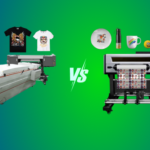
DTF vs. Sublimation: A Breakdown
Here’s how these methods stack up, including the hybrid approach:
| Feature | DTF Printing | Sublimation Printing | DTF Sublimation Hack |
| Core Method | Direct to film with special adhesive powder and press | Sublimation ink gasifies into fabric fibers | Sublimation ink on DTF film sheet with powder |
| Best Fabrics | Cotton, blends, dark fabrics | Polyester and coated sublimation blanks | Mostly light fabrics, experiments on cotton |
| Dark Shirts | Works with white ink underbase | Requires white garment | No white layer, weak performance |
| Equipment | DTF printer, RIP software, curing gear | Sublimation printer and heat press | Existing sublimation equipment with film |
| Durability | Very durable when properly cured | Very durable on polyester | Inconsistent, often lower durability |
| Learning Curve | New setup and heat settings | Learn sublimation only | Extra learning plus more variables |
This lines up with independent comparisons that look at fabric compatibility, wash life, and cost across both methods.
Risks of Using Sublimation Ink on DTF Film
So can you use sublimation ink on dtf film at all? Technically yes, but let’s talk about what you’re risking.
Chemical incompatibility: The mismatch between sublimation ink and special adhesive powder means the ink often won’t fully bond to the dtf film. You’ll see patchy transfers, ink bleeding, or printed design sections that literally wash away after a handful of laundry cycles.
Printer Damage: Many manufacturers explicitly warn that using sublimation ink in a DTF configuration can wreck your printer. The thin dye-based inks don’t flow properly through systems designed for thicker pigment-based dtf ink. You risk clogs, cross-contamination, or shortened printhead life when running this hybrid for production volumes. The Smithsonian’s National Museum of American History has documented how mismatched printing chemistries cause equipment failures in their textile printing archives.
Press Complications: The transfer process becomes unpredictable. You’ll need higher heat settings and longer press times to get the design to stick, which increases your chances of scorching cotton t-shirts or warping other fabrics. If you’re running a business, wasting blanks and redoing jobs isn’t exactly a cost effective growth strategy.
The Hidden Challenges of DTF Sublimation
Most Instagram posts about this dtf sublimation hack show the first pristine transferred design—not how it looks after ten washes and three months of wear.
Real-world testing shows significantly more cracking, peeling, and color fading compared to genuine dtf transfers or proper sublimation on polyester. You’ll burn hours troubleshooting the right heat settings, figuring out which side of the dtf film is the correct side, and fine-tuning powder coverage so excess powder doesn’t leave ghosting around your printed design.
That learning curve eats time that never appears on your invoice. What seems like savings upfront often costs you more in wasted materials, reprints, and customer complaints.
Can I Use Sublimation Ink for DTF?
If you’re a hobbyist with spare sublimation blanks and a weekend to experiment? Go for it. Test away and learn what works.
But from a business perspective, the honest answer to can you use sublimation ink for dtf is absolutely not for client work. The chemistry of dtf printing was engineered around specific inks, films, and adhesives that bond reliably and consistently. The American Chemical Society has published extensive research on pigment-adhesive interactions that demonstrates why these specialized formulations matter.
For actual orders, either invest in traditional dtf transfers from a trusted source or build a proper DTF setup with a special printer, RIP software, and curing solution. Partner shops offering dtf transfers wholesale or dtf uv transfers already have calibrated equipment for direct to film work, letting you produce high quality prints on cotton, polyester, and various fabrics without gambling your only printer.
Conclusion
So can you use sublimation ink for dtf transfers at all? You physically can, but every credible test shows that sublimation ink on dtf film is a compromise at best, a disaster at worst.
You’re trading predictable, durable prints and broad fabric compatibility for a short-term shortcut that limits your printing capabilities and threatens your equipment’s lifespan.
If your goal is producing long-lasting dtf transfers with vibrant colors on cotton garments, dark shirts, and diverse fabrics, commit to the proper process. Use genuine dtf ink, special film engineered for direct to film work, the correct adhesive powder, and controlled heat so each garment leaves the press with the durability your customers expect.
In most scenarios, it makes better business sense to outsource the DTF side, order dtf transfers wholesale as your volume grows, and keep your sublimation printing setup doing what it does best—creating brilliant designs on sublimation paper and polyester.
FAQ
Can I print DTF on a regular printer?
Almost never. You need a special printer that handles white ink, has compatible printheads, and accommodates the path for dtf film. Attempting to print DTF on a regular printer with improvised inks or a quick dtf hack will cause clogs, failed transfers, and repair bills that exceed the cost of an entry-level dtf printer. The Society for Imaging Science and Technology confirms that printer modifications for DTF require specific engineering considerations.
Can sublimation ink be used on heat transfer paper?
Yes, you can use sublimation ink with sublimation paper designed for it, then press that paper to sublimation blanks at the right heat settings. That path gives you vibrant colors and reliable durability on polyester and coated materials. The trouble starts when you mix systems vs dtf and push sublimation ink onto a dtf film sheet or cotton without the right chemistry.